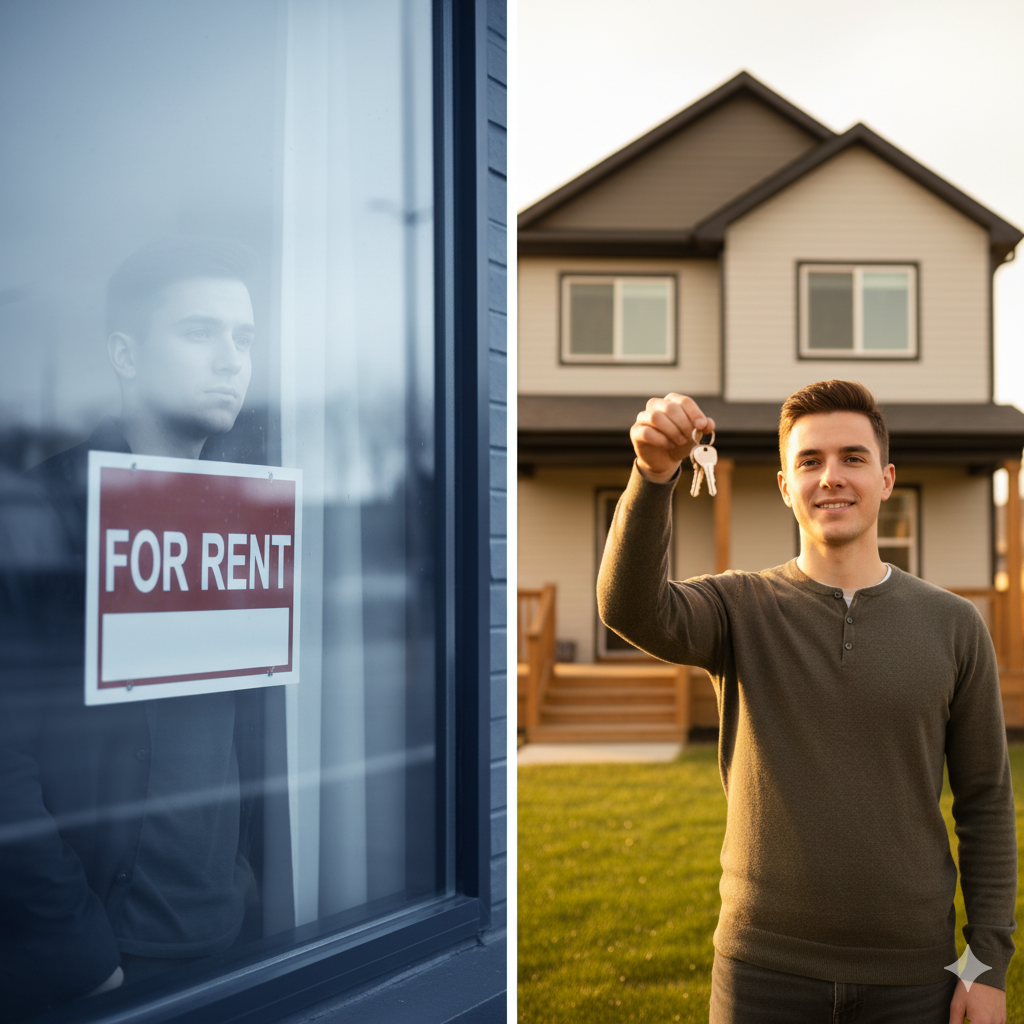
Why I Changed My Mind About 50-Year Mortgages
When I first heard about Trump's 50-year mortgage proposal, my reaction was immediate skepticism.
Longer amortization means more interest paid over time. More debt for consumers. It seemed like a bad deal dressed up as affordability.
But then I started thinking about my actual clients.
The First Home Reality
Most people don't stay in their first home for 30 years. They stay 5-7 years, then upgrade or relocate for work.
That changes everything.
In a traditional 30-year mortgage, interest is front-loaded. A 50-year term stretches that interest-heavy period even longer. You're building equity slower through principal paydown.
But here's what people miss: market appreciation does most of the wealth-building work in those early years anyway. Home values historically appreciate around 4% annually, and that equity growth happens regardless of your loan term.
Your first home isn't your forever home. It's a stepping stone.
Take the win and upgrade accordingly.
Who This Actually Helps
The average first-time homebuyer is now 40 years old. Think about that. People are as close to retirement as they are to college graduation before they can afford their first home.
I see clients all the time who are credit worthy but just lack the income to qualify under current terms. They pay rent on time for years. They have solid credit scores. They manage their finances responsibly.
They're just priced out by monthly payment thresholds.
A 50-year mortgage in major metros would cost significantly less per month than average rent. These buyers could finally stop building equity for a landlord and start building it for themselves.
The Real Affordability Problem
Yes, there are deeper issues. Institutional investors buying up single-family homes. Supply constraints. Zoning problems.
I personally despise seeing hedge funds compete against families for homes. Homes belong in the hands of humans, not corporations, and definitely not the government.
But that reality exists today. And it's not changing overnight.
While we debate root causes, real people are locked out of homeownership entirely. They either can or cannot afford the monthly payment. There isn't a balance to strike there.
The Pragmatic Position
Would I prefer we fix housing supply and rein in institutional buyers? Absolutely.
But I'm not willing to tell credit-worthy buyers to keep renting while we wait for perfect policy solutions.
A 50-year mortgage gives regular consumers a fighting chance against institutions with cash offers. It opens the door for people who've been responsible with money but happened to be born into an impossible housing market.
My initial skepticism was rooted in theory. More interest over a lifetime sounds bad on paper.
But in practice, for someone who's been renting for years and will likely move within a decade anyway, the ability to finally own something beats the theoretical cost of extended interest.
Sometimes access matters more than optimization.
And right now, we need more people to have access to that first stepping stone.
What's your take? Would a 50-year mortgage help you or someone you know finally stop renting and start building equity? I'd love to hear your thoughts—and if you're ready to explore what mortgage options could work for your situation, let's talk. Reach out to our team and let's figure out your path to homeownership together.
Tags: #50YearMortgage #HousingAffordability #FirstTimeHomeBuyer #MortgageLending #RealEstateMarket #HomeOwnership #AffordableHousing #MortgageRates #HousingCrisis #RealEstateInvesting